



PROTAC Linkers
PROTACs (Proteolysis Targeting Chimeric Molecules) are heterobifunctional protein degraders and promising targeted therapeutics candidates for cancer. The PROTAC linker connects two functional motifs of a PROTAC, a target protein binder and an E3 ligase recruiter.
The linker plays an important role in a PROTAC. The features of the linker (type, length, attachment position) can affect the formation of ligase:PROTAC:target ternary complex, resulting in influencing the efficient ubiquitination of the target protein and its ultimate degradation. The optimal lengths of the PROTAC linkers are reported varying from 12-carbon to over 20-carbon, and the commonly used linkers in the development of PROTACs are PEGs, Alkyl-Chain and Alkyl/ether.
PROTAC Linkers Isoform Specific Products
All Product Categories
-
PROTAC Linkers Related Products (4098)
Related Products (4098)

-
PROTAC Linkers Isoform Comparison
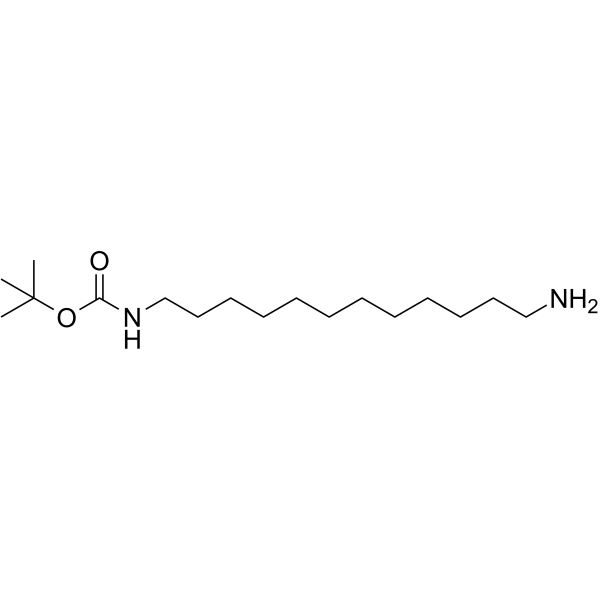
-
m-PEG12-azide
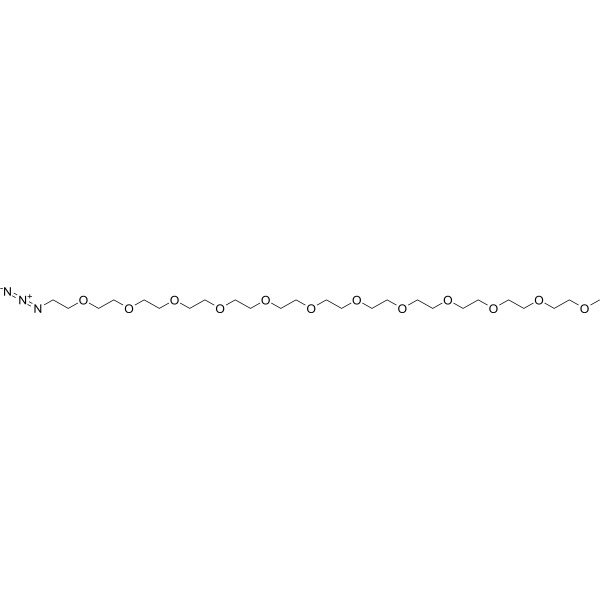 0 Imagesm-PEG12-azide is a PEG-based PROTAC linker that can be used in the synthesis of PROTACs. m-PEG12-azide is a click chemistry reagent, it contains an Azide group and can undergo copper-catalyzed azide-alkyne cycloaddition reaction (CuAAc) with molecules containing Alkyne groups. It can also undergo strain-promoted alkyne-azide cycloaddition (SPAAC) reactions with molecules containing DBCO or BCN groups.
-
N-Boc-PEG4-bromide
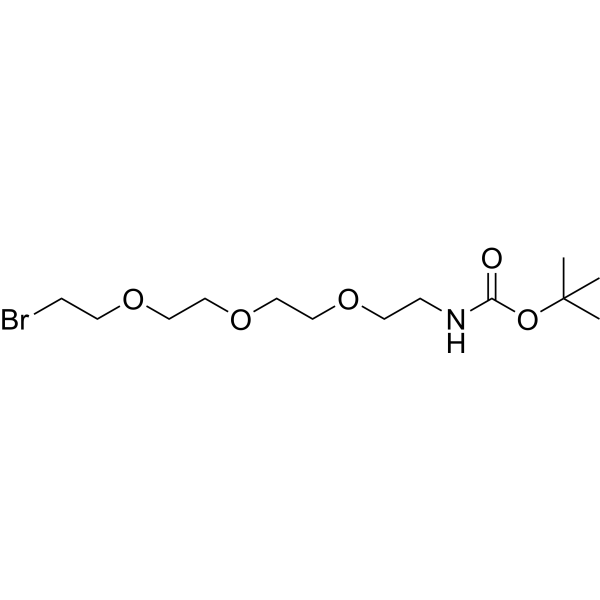 0 ImagesN-Boc-PEG4-bromide is a PEG/Alkyl/ether-based PROTAC linker can be used in the synthesis of PROTACs. N-Boc-PEG4-bromide is a cleavable ADC linker used in the synthesis of antibody-drug conjugates (ADCs).
-
tert-Butyl 5-aminopentanoate
 0 ImagesCat. No.: HY-W074340CAS No.: 63984-03-2

-
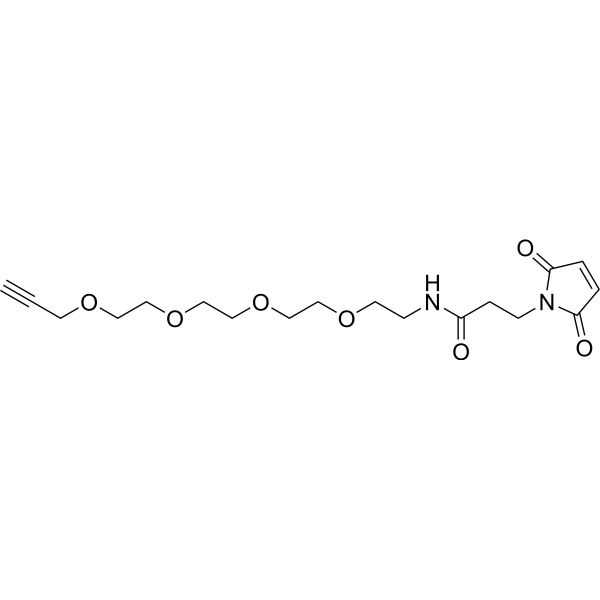
Azido-PEG6-amine
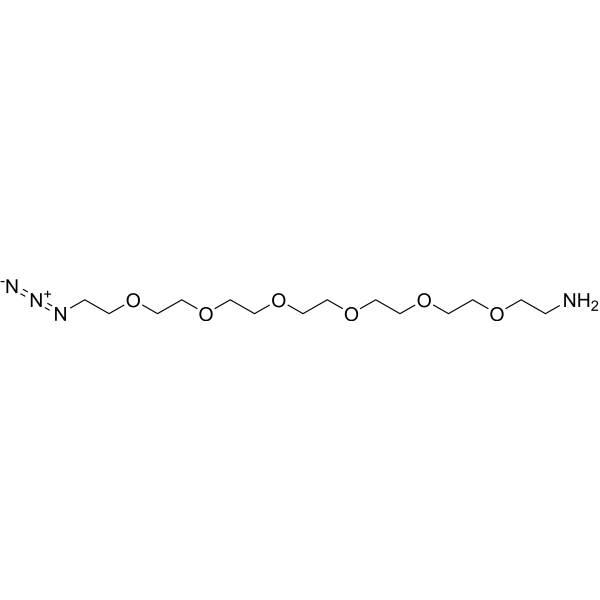 0 ImagesCat. No.: HY-140215CAS No.: 957486-82-7Azido-PEG6-amine is a PEG-based PROTAC linker that can be used in the synthesis of PROTACs. Azido-PEG6-amine is also a non-cleavable 6 unit PEG ADC linker used in the synthesis of antibody-drug conjugates (ADCs). Azido-PEG6-amine is a click chemistry reagent, it contains an Azide group and can undergo copper-catalyzed azide-alkyne cycloaddition reaction (CuAAc) with molecules containing Alkyne groups. It can also undergo strain-promoted alkyne-azide cycloaddition (SPAAC) reactions with molecules containing DBCO or BCN groups.
-
Azido-PEG7-amine
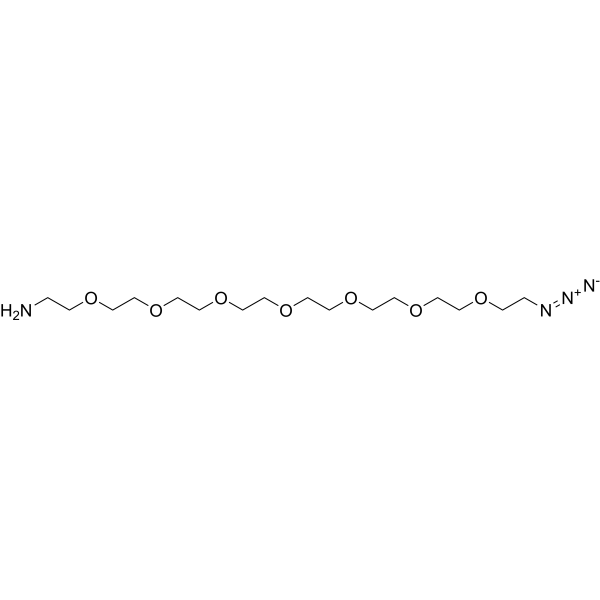 0 ImagesAzido-PEG7-amine is a non-cleavable 7 unit PEG ADC linker used in the synthesis of antibody-drug conjugates (ADCs). Azido-PEG7-amine is also a PEG-based PROTAC linker that can be used in the synthesis of PROTACs. Azido-PEG7-amine is a click chemistry reagent, it contains an Azide group and can undergo copper-catalyzed azide-alkyne cycloaddition reaction (CuAAc) with molecules containing Alkyne groups. It can also undergo strain-promoted alkyne-azide cycloaddition (SPAAC) reactions with molecules containing DBCO or BCN groups.
-
Azido-PEG5-alcohol
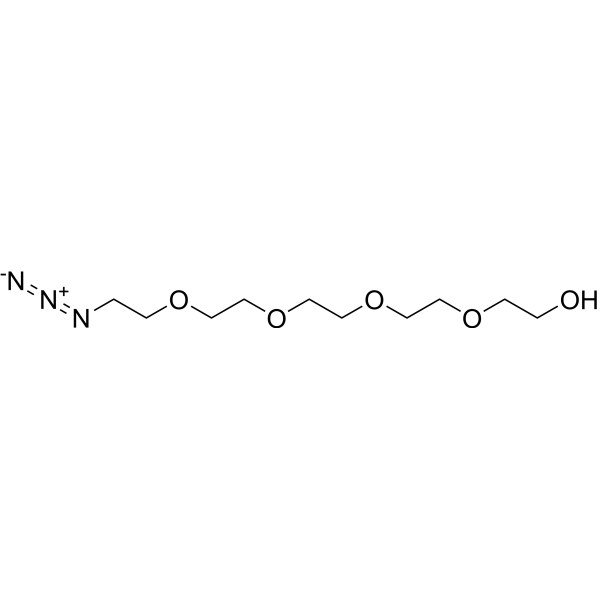 0 ImagesCat. No.: HY-130211CAS No.: 86770-68-5Azido-PEG5-alcohol is a non-cleavable 5 unit PEG ADC linker used in the synthesis of antibody-drug conjugates (ADCs). Azido-PEG5-alcohol is also a PEG-based PROTAC linker that can be used in the synthesis of PROTACs. Azido-PEG5-alcohol is a click chemistry reagent, it contains an Azide group and can undergo copper-catalyzed azide-alkyne cycloaddition reaction (CuAAc) with molecules containing Alkyne groups. It can also undergo strain-promoted alkyne-azide cycloaddition (SPAAC) reactions with molecules containing DBCO or BCN groups.
-
tert-Butyl 3-oxoazetidine-1-carboxylate
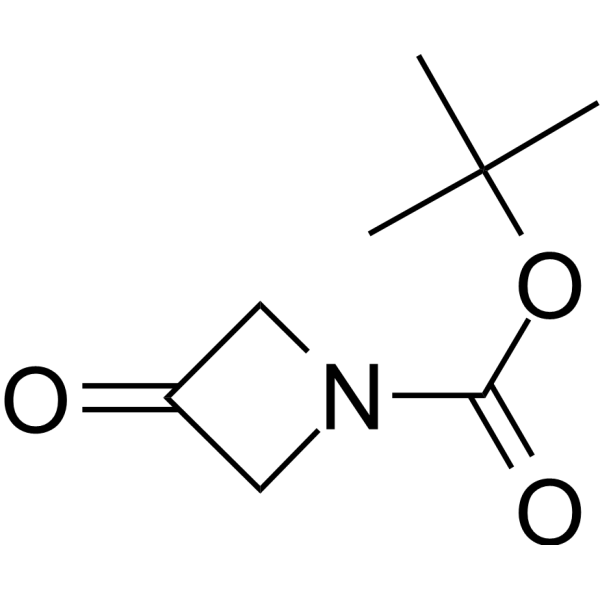 0 ImagesSynonyms: N-Boc-3-azetidinonetert-Butyl 3-oxoazetidine-1-carboxylate is a synthetic intermediate. tert-Butyl 3-oxoazetidine-1-carboxylate can be used in compound research and development targeting cancer and tuberculosis.
-
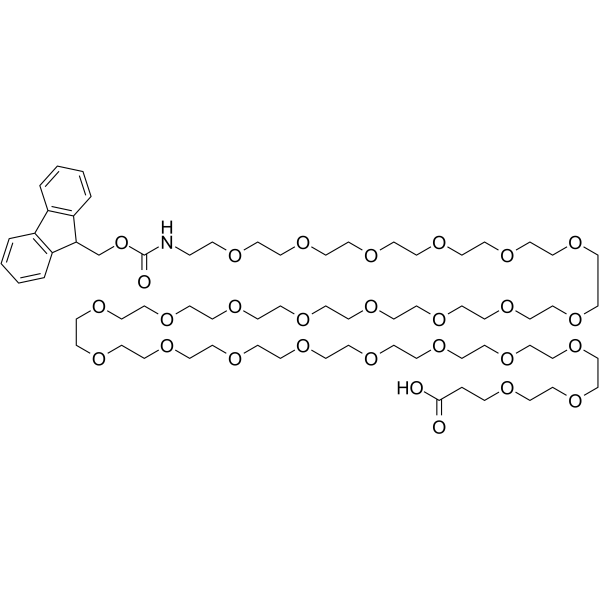
Fmoc-NH-PEG2-CH2CH2COOH
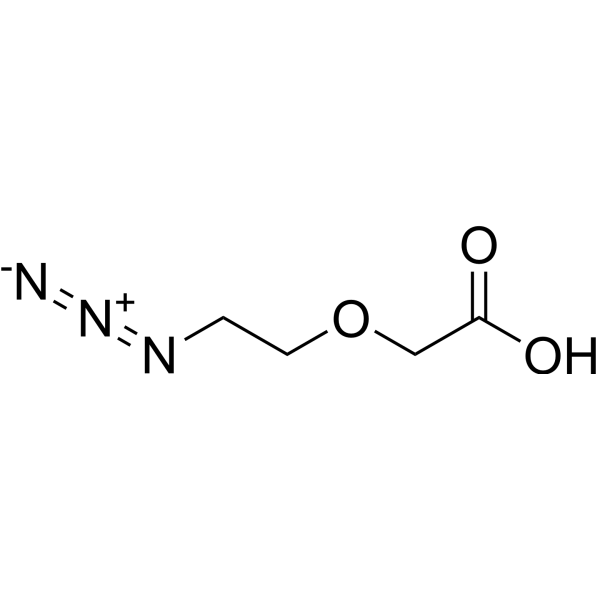
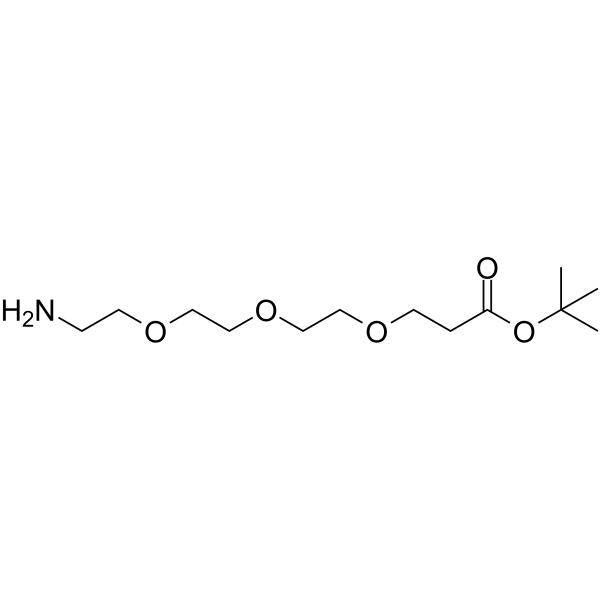
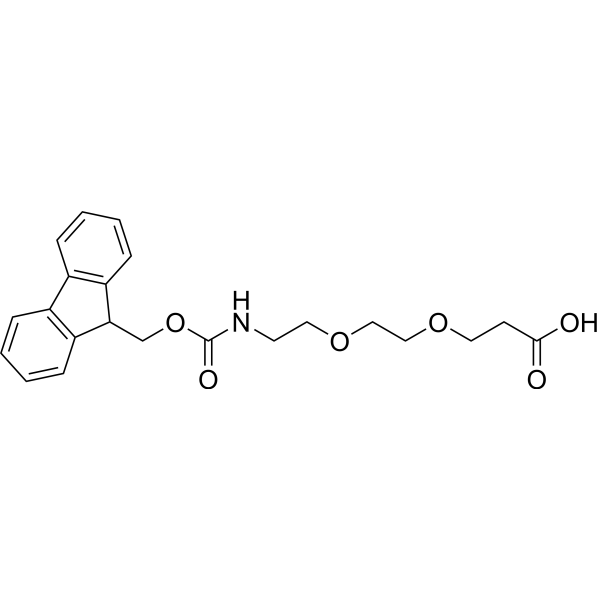 0 ImagesFmoc-NH-PEG2-CH2CH2COOH is a cleavable ADC linker used in the synthesis of antibody-drug conjugates (ADCs). Fmoc-NH-PEG2-CH2CH2COOH is also a PEG-based PROTAC linker that can be used in the synthesis of PROTACs.
-
NH2-C6-NH-Boc
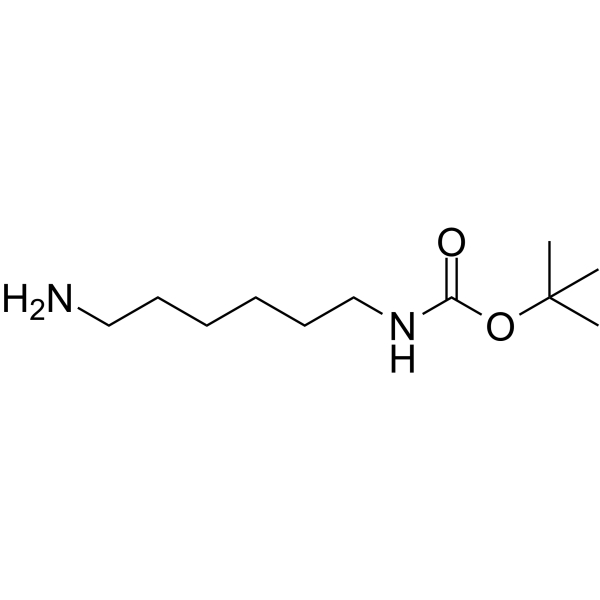 0 ImagesNH2-C6-NH-Boc is a PROTAC linker which refers to the alkyl/ether composition. NH2-C6-NH-Boc can be used in the synthesis the Mcl-1 inhibitor based on PROTAC.
![7-Boc-(2,7-Diazaspiro[3.5]nonane)](https://file.medchemexpress.com/product_pic/hy-30755.gif "Click to View 7-Boc-(2,7-Diazaspiro[3.5]nonane) Product Detail")
-
endo-BCN-PEG2-NH2
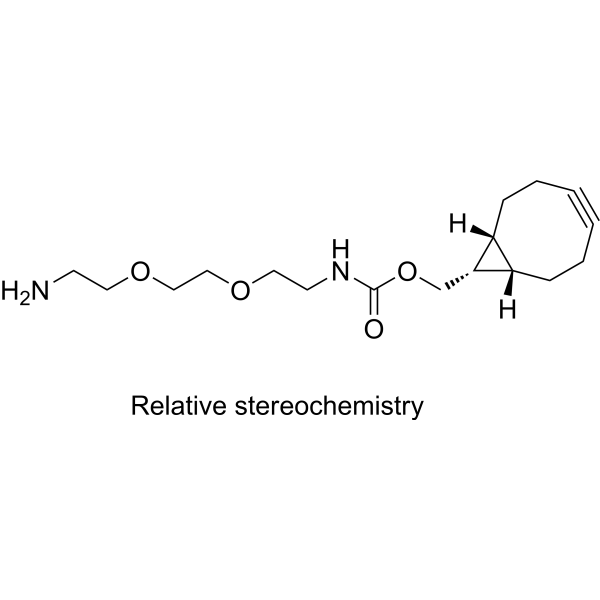 0 ImagesCat. No.: HY-W072752CAS No.: 1263166-93-3
-
Eicosanedioic acid
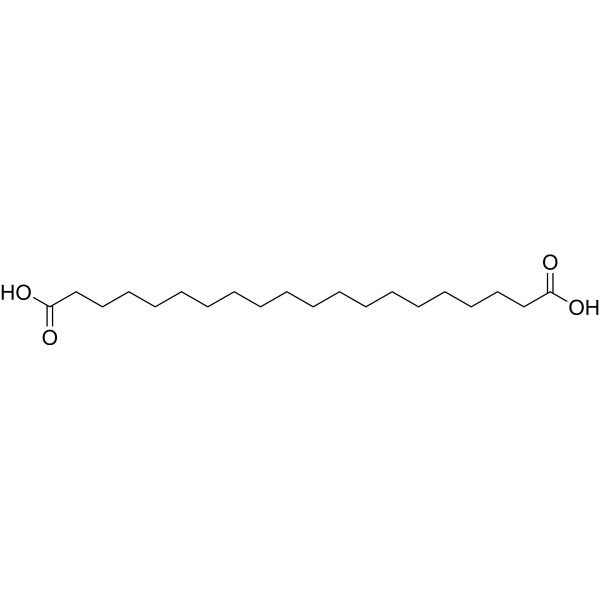 0 ImagesEicosanedioic acid is a non-cleavable ADC linker used in the synthesis of antibody-drug conjugates (ADCs). Eicosanedioic acid is also a alkyl chain-based PROTAC linker that can be used in the synthesis



